Wildlife Photography Tours in the Lower Rio Grande Valley: What to Know Before You Book
Most wildlife photographers only realize the problem after they return from the RGV with a memory card full of overexposed midday shots and a species list that never translated into images.
By then, the golden-hour windows were gone, the gear was wrong for the habitat, and the tour moved too fast to stop.
This article helps you avoid that outcome before you ever leave home.
The Lower Rio Grande Valley of South Texas is one of the most photographically rich destinations in the United States.
But booking the right experience requires understanding one thing most tour pages never tell you: there is a fundamental difference between a birding tour and a wildlife photography tour. Knowing that difference before you book changes everything about what you come home with.
What a Wildlife Photography Tour in the Lower Rio Grande Valley Actually Involves
A wildlife photography tour in the RGV is structured around light, subject behavior, and shooting position, not species count alone. That distinction changes everything about how your day is planned, where you stop, and what you need to bring.
The Habitats Photographers Will Work Across and Why Each Demands a Different Approach
The Lower Rio Grande Valley is not one landscape. It is four distinct habitat types, and each one creates a completely different set of shooting conditions.
1. Riparian floodplain corridors along the Rio Grande anchored by sites like Santa Ana National Wildlife Refuge offer dense canopy, filtered morning light, and subjects that move quickly through vegetation. You need a fast lens and the patience to pre-position rather than react.
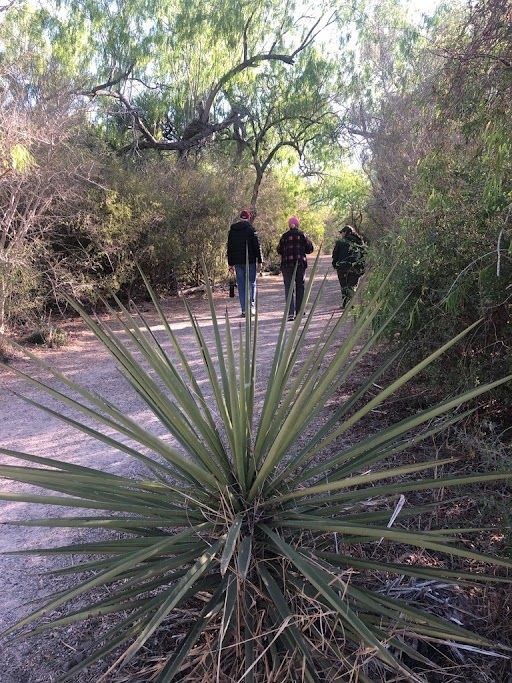
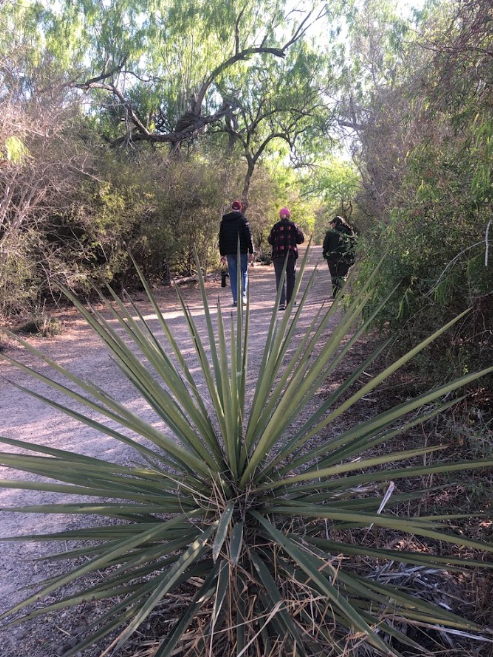
2. Thorn-scrub habitat dominates the interior of the valley. The light in open thorn-scrub can be punishing by 9 AM in South Texas, and the subjects, green jays, plain chachalacas, and curve-billed thrashers, are active in tight windows immediately after sunrise.
According to Texas Target Birds guide Greg Lavaty, a minimum focal length of 400mm is required for most RGV species, with a 500mm f/4 preferred for subjects in open scrub where close approach is not possible.
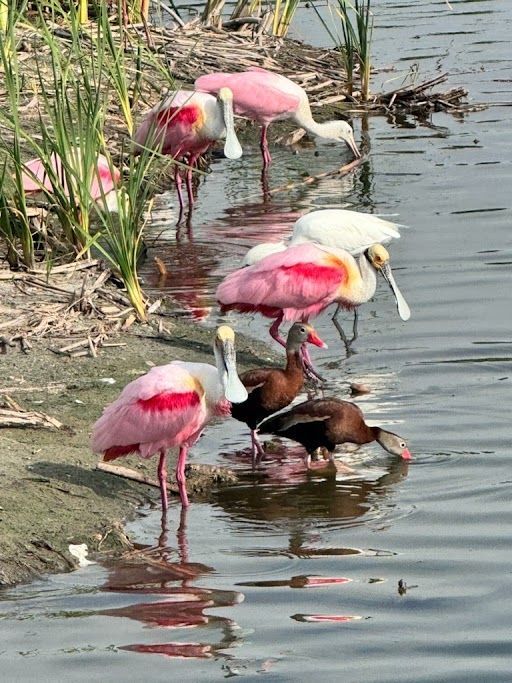
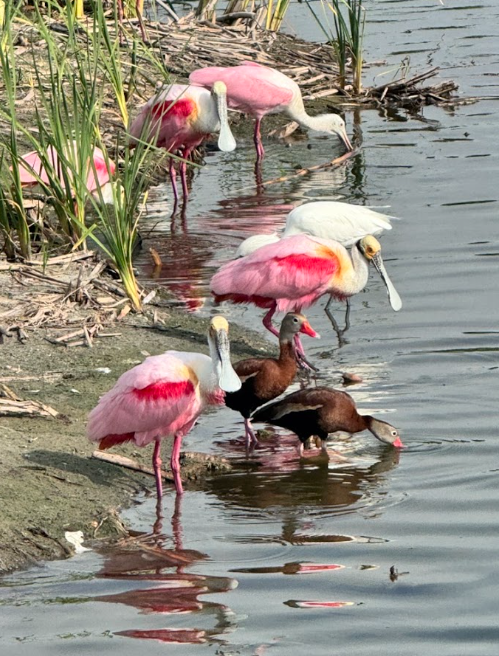
3. Wetland and resaca habitats, shallow oxbow lakes left behind by the Rio Grande, hold shorebirds, herons, and migrating waterfowl. These sites reward wide angles for landscape context but require long glass for individual subject work. Light on open water is reflective and shifts fast.
4. Coastal Laguna Madre margins bring in rarer shorebird species but introduce coastal haze that compresses light quality faster than inland sites. Morning is non-negotiable.
What Photographers Get Wrong When Choosing a Tour in the RGV
The most common mistake photographers make is booking a standard guided birding tour and discovering on-site that the itinerary is built for life-list completion, not image quality.
A birding tour moves. It is designed to put you in front of as many species as possible within a fixed time window. That works perfectly for a birder.
For a photographer, a tour that advances to the next hotspot on schedule means you leave before the light shifts into your favor, before the subject relaxes, and before you have a frame worth keeping.
Understanding this difference before you book is the single most important preparation decision you will make.
Birding Tour or Wildlife Photography Experience: Why That Difference Decides What You Come Home With
Birding tours maximize species count. Wildlife photography experiences are structured around light windows, subject behavior, and shooting position. Booking the wrong format is the most common and most preventable mistake RGV photographers make.
A wildlife photography experience in the Lower Rio Grande Valley is built around a different set of priorities than a guided birding tour. A birding tour will often cover three or four sites in a single day and log 80 to 130 species, an impressive result for a lifer list.
A photography experience covers fewer sites, stays longer at each one, and structures departure timing around available light rather than hotspot rotation.
The guide's job shifts from identification to positioning: where to stand, which angle gives you a clean background, and when to hold still and wait for the bird to settle. Those are fundamentally different skills, and they produce fundamentally different results on your memory card.
How Light Windows and Departure Timing Differ Between the Two Formats
In South Texas, the golden-hour window before the sun clears the thorn-scrub canopy runs roughly 35 to 45 minutes after civil twilight. After that, the light goes flat, then harsh. Photographers working riparian and scrub habitats need to be in position, not arriving at the trailhead when that window opens.
That means a pre-dawn departure is not optional. It is the difference between usable light and wasted time.
Google reviewer Ann O'Brien notes: "Great place to stay when going birding in South Texas. They cater to birders by having their breakfast room open 24/7 for those who want to be out birding early and late.
They even provided lunch makings for folks to make and bring a lunch out to the field, knowing that birders would be leaving before any food establishments would be open—very considerate!
Great access to lots of good birding hotspots: Santa Ana Wildlife Refuge, Estero Llano Grande, Bentsen area, Elgin area, and more. South Padre Island is a little further away but certainly within striking distance. The room was comfy and roomy with a full kitchen.
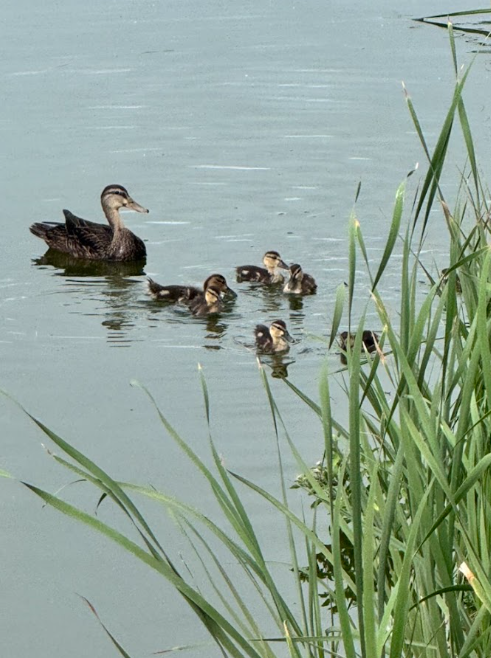
Out the back door is a birding hotspot for black-bellied whistling ducks, and watch the sky for nighthawks at dusk, some of which roost on the inn roof!"
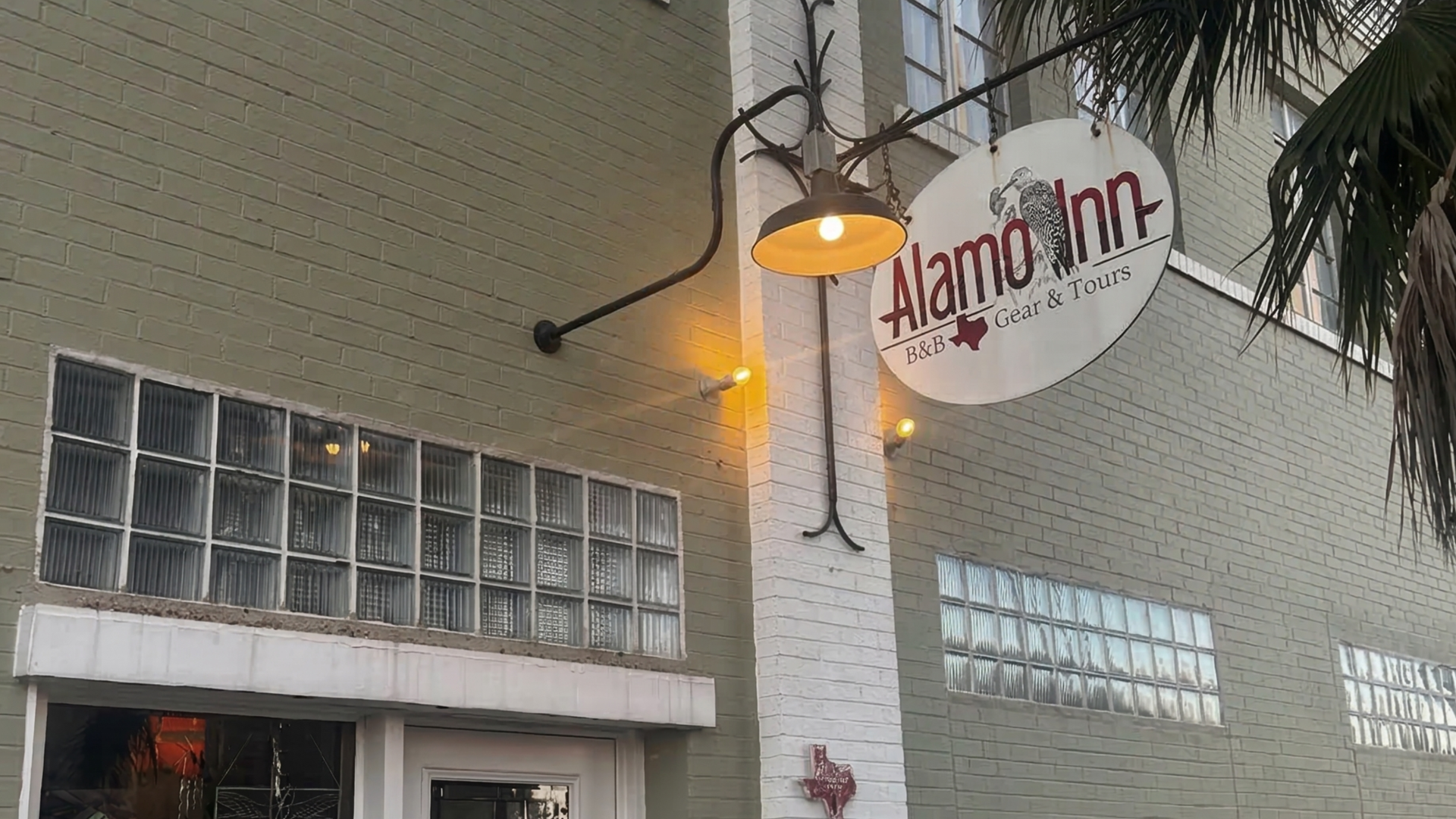
At Alamo Inn B&B, Gear and Tours, cold breakfast and lunch fixings are included in the room rate and available around the clock so you can eat before 5 AM and leave when the light calls for it, not when a dining room opens.
Group Pace and Stopping Decisions Why They Matter More Than the Itinerary
A photography-focused experience requires the guide to stop, position the group, and wait. Not advance to the next pin on a map.
In a larger group built for birding, stopping long enough for a photographer to work a subject, settle the bird, read the behavior, wait for a head turn, and fire a burst is rarely possible. The itinerary has twelve species to find by noon, and the group moves when the majority is ready to move.
For photographers, group size and the guide's decision-making approach matter as much as the species list. A smaller, photography-oriented group where the guide prioritizes your shot over the schedule is the format that produces images worth printing.
What to Look for When Choosing a Wildlife Photography Base in the Lower Rio Grande Valley
The base lodge is as important as the guide. Proximity to multiple habitat types, pre-dawn food access, on-site expertise, and gear availability are the four criteria to assess before you book anything else.
1. Location Proximity to Multiple Habitats Within a Single Departure Window
You cannot shoot three habitat types in the Lower Rio Grande Valley's two productive morning hours if your base adds 45 minutes of drive time at each end.
Alamo Inn B&B and Gear and Tours sits centrally in Alamo, Texas, with 13 birding hotspots within a 10- to 35-minute drive. Santa Ana National Wildlife Refuge, the U.S. National Wildlife Refuge with the highest combined bird and butterfly species count in the country, is 12 minutes away.
The University of Texas Rio Grande Valley Special Collections confirms the Lower Rio Grande Valley is home to more than 500 species, making it one of the most popular birding areas in the United States. Every Lower Rio Grande Valley floodplain birding hotspot falls within a 90-minute drive.
That kind of central positioning means you can work riparian floodplains at first light, move to thorn-scrub mid-morning, and be back at the base before the midday heat ends productive shooting without burning an hour of your light window on the highway.
2. On-Site Expertise and Gear What a Photography-Ready Base Provides That a Standard B&B Does Not
Arriving at a remote base and discovering your nearest optics retailer is a 45-minute drive is a problem you solve before you leave home, or you do not solve it at all.
Alamo Inn B&B and Gear and Tours operate the Fun Things for Birders on-site store, with Swarovski optics available for photographers who need glass they can trust in the field.
Owners Keith Hackland and Audrey Jones have run the property since November 1999. Their knowledge of the local hotspots, seasonal movements, and productive shooting positions is available directly to every guest.
That is not a generic concierge service; it is expert local guidance from people who bird the valley themselves.
3. Pre-Dawn Food Access The Logistics Detail Most Photographers Overlook When Booking
Most standard accommodation cannot serve you breakfast at 5 AM. Most wildlife photographers in the RGV need to leave by 5:30 AM to reach a riparian site before shooting light.
That operational gap costs you one of your two productive morning hours before you have even left the property. Cold breakfast and lunch fixings included around the clock built into the room rate are not a minor convenience.
For photographers working the South Texas golden hour, it is a structural requirement.
How Alamo Inn B&B, Gear and Tours Supports Wildlife Photography Travel in the Lower Rio Grande Valley
Alamo Inn B&B, Gear and Tours is the largest lodge dedicated to birders in North America, located 12 minutes from Santa Ana National Wildlife Refuge, with an on-site gear store, expert owner-hosts, and 24/7 food access built around early-departure photography schedules.
1. The Photography-Specific Setup: What the Base Provides Before You Leave the Property
Alamo Inn B&B, Gear and Tours offers Wildlife Photography Travel Experiences as a named, dedicated service, not a birding package adapted for a camera carrier. The distinction matters from the moment you book.
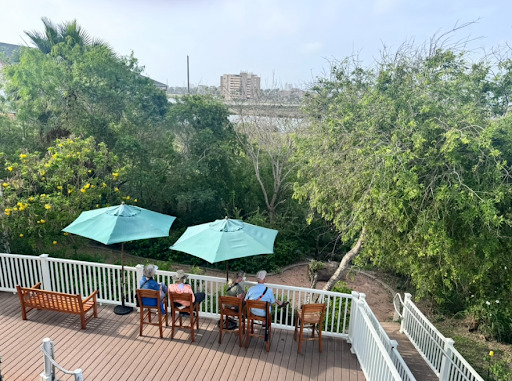
The property spans two historic buildings: the restored 1919 Alamo Land and Sugar Company building, housing the Historic Private Suites, and the Garden Suites, a 1970s building set in gardens of native shrubs and trees that attract birds and butterflies directly to the property.
Wild birds are fed daily in the Garden Suites' gardens, and Guardian, the resident Chinese farmyard goose made famous in the Netflix documentary Birders, is a fixture of the grounds. Wildlife photography begins on-site, before you load the car.
The Fun Things for Birders store, with Swarovski optics available, means you are not driving across Hidalgo County to replace a missing piece of kit.
Twenty-two rooms and suites across both buildings, all individually air-conditioned and fitted with kitchenettes or full kitchens, give photographers the space to clean gear, charge batteries, and review images at the end of each shooting day.
According to the Grand View Research Birdwatching Tourism Market Report 2025, travelers aged 35 to 54 held the largest revenue share of the birdwatching tourism industry in 2025, accounting for 41.62% purposeful, high-spending travelers who prioritize knowledgeable guides and quality accommodation.
That is the audience Alamo Inn B&B, Gear and Tours has been designed around and has served since 1999.
Google reviewer Ray Hudson: "It is the place that birders love. Deep in the Rio Grande Valley, a place owned and operated by a birder. We loved our stay."
2. What Guests Report In Their Own Words
Photographers and birders who have stayed at Alamo Inn B&B, Gear and Tours return because the base works the way they need it to work.
Google reviewer Paula Burch: "They are centrally located to be able to visit several different birding areas during your stay. They completely cater to birders."
Google reviewer Charley Amos: "The Alamo Inn and especially Eric gave me everything I needed for a wonderful few days of birding. Thank you so much Eric and Keith for the accommodations."
Guests from over 40 countries have stayed at Alamo Inn B&B, Gear and Tours since Keith Hackland and Audrey Jones opened the doors in November 1999.
The RGV Business Journal reports that thousands of birders descend on the Valley every year to see hundreds of species and in the process pour hundreds of millions of dollars into the local economy.
The property has been featured in the Netflix documentary
Birders, and the RGV Birding Festival, held annually at the Harlingen Convention Center, 25 minutes from Alamo, brings the global birding and photography community to the valley's doorstep each year.
Frequently Asked Questions About Wildlife Photography Tours in the Lower Rio Grande Valley
Q1: What is the best time of year for wildlife photography in the Lower Rio Grande Valley?
The Lower Rio Grande Valley offers productive wildlife photography year-round, but the two peak windows are fall migration (October to November) and winter (December to February).
During these months, the valley hosts concentrations of wintering species alongside resident birds, and the lower sun angle extends the usable golden-hour window.
Spring migration (March to April) is a strong secondary window. Summer is productive for resident species but brings intense heat and harsh light conditions that compress shooting time to the first hour after dawn.
Q2: What camera gear do I need for wildlife photography tours in the RGV?
The RGV's mix of dense riparian habitat and open thorn scrub requires flexible glass. Texas Target Birds guide Greg Lavaty recommends a minimum focal length of 400 mm, with a 500 mm lens, f/4, preferred for subjects in open habitats where close approach is not possible.
A teleconverter extends reach without adding significant weight for travel. A monopod rather than a tripod suits the RGV's often unpredictable subject positions. If you need optics on arrival, the
Fun Things for Birders store at
Alamo Inn B&B, Gear and Tours, carries Swarovski optics on-site.
Q3: Is the Lower Rio Grande Valley good for wildlife photography or just birding?
The RGV is one of the premier wildlife photography destinations in the United States, but getting the most from it as a photographer requires a different approach than a standard birding visit.
The valley holds over 500 species, multiple distinct habitat types, and subjects found nowhere else in the country, including green jays, plain chachalacas, and ringed kingfishers.
The key is choosing a base and a tour format structured around light and behavior rather than species count. A photography-focused experience in the RGV produces a completely different set of results than a birding tour built for lifers.
Q4: How is Alamo Inn B&B, Gear and Tours set up for wildlife photographers specifically?
Alamo Inn B&B, Gear and Tours offerwildlife photography travel experiences as a confirmed dedicated service. The base provides 24/7 cold breakfast and lunch access for pre-dawn departures.
The Fun Things for Birders, an on-site gear store with Swarovski optics, is centrally located accommodation 12 minutes from Santa Ana National Wildlife Refuge.
The hands-on expertise of owners Keith Hackland and Audrey Jones, who have guided guests through the Lower Rio Grande Valley since 1999. The Garden Suites grounds attract birds and butterflies daily, meaning photography opportunities begin on the property before any tour departs.
Check availability and book directly at
alamoinnbandbgearandtours.com.
Q5: Do I need a guide for wildlife photography in the RGV, or can I self-guide?
Self-guided photography in the RGV is possible, and many experienced nature photographers choose it, particularly for photographers who prefer to move at their own pace and spend extended time at a single site.
A well-located base with expert hosts who can point you to productive positions, active species, and light-specific timing for the week of your visit removes the local knowledge gap that self-guided trips otherwise require months of forum research to fill.
Alamo Inn B&B, Gear and Tours provide that local expertise as part of the stay, whether you choose a guided experience or your own schedule.
Make Your Next RGV Photography Trip Count
The decision that separates a productive Lower Rio Grande Valley wildlife photography tour from a frustrating one is made before you leave home.
Choosing a base that operates around your schedule, not the other way around, and understanding the difference between a birding tour and a wildlife photography experience are the two decisions that determine what you come home with.
Alamo Inn B&B, Gear and Tours have hosted wildlife photographers, birders, and nature enthusiasts from over 40 countries since 1999. The gear is on-site. The expertise is at the front desk. The light does not wait.
Contact
Alamo Inn B&B, Gear and Tours
directly to arrange your Lower Rio Grande Valley wildlife photography stay. Visit the reservations page or email alamoinn@gmail.com to check availability.