How to Plan a Rio Grande Valley Birding Tour the Right Way Around Santa Ana NWR
Most birders make the same mistake when they plan a Rio Grande Valley birding tour: they treat Santa Ana National Wildlife Refuge like a quick stop instead of the centerpiece it should be.
They roll in around nine or ten in the morning, wander the trails for an hour, and leave without knowing that peak bird activity already happened before sunrise. By the time they realize their timing was off, the trip is half over and the best sightings are gone.
This guide shows you how to plan a Rio Grande Valley birding tour around Santa Ana NWR so timing, trail choice, and lodging all work together instead of against each other.
Planning a successful Santa Ana visit comes down to three things: arriving before the birds go quiet, choosing the right trail for your target species, and staying close enough that you are not losing daylight to drive time.
What You Need Before You Start
Santa Ana National Wildlife Refuge is open year-round.
U.S. Fish and Wildlife Service,“Confirms the refuge offers free admission on the first Sunday of every month, with a standard entry fee on other days.”
Before you head out, confirm current trail conditions and gate hours directly with the refuge, since seasonal flooding can occasionally affect access on the lower trails.
Pack for South Texas heat and uneven dirt trail surfaces even in the cooler months. A brimmed hat, closed-toe shoes, water, and binoculars in the 8x42 range cover most birders' needs on refuge trails.
If you are chasing a specific species, check recent sightings on regional birding logs before you leave, since refuge activity shifts week to week with migration timing.
Step-by-Step: How to Plan Your Santa Ana NWR Birding Day
Getting the most out of a single day at Santa Ana comes down to four decisions made before you ever leave your room.
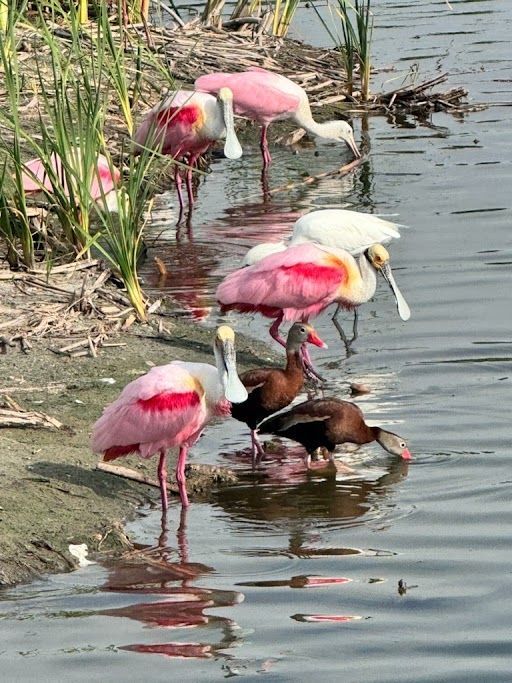
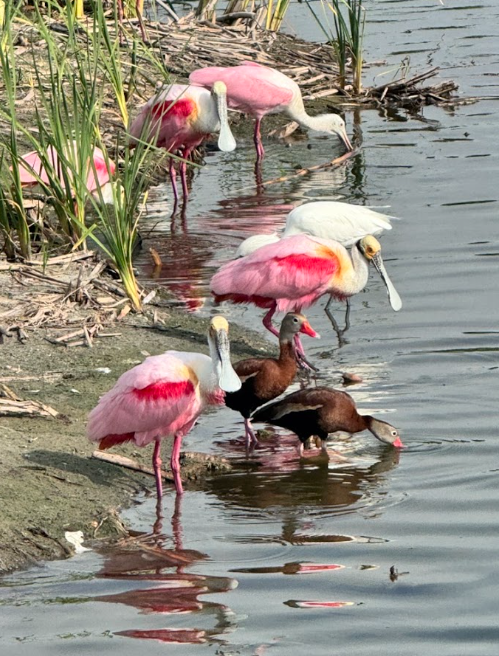
The U.S. Fish and Wildlife Service “Confirms Santa Ana National Wildlife Refuge is home to nearly 500 documented bird species and 300 species of butterflies,” which means the refuge rewards birders who plan around activity windows rather than convenience.
Step 1: Time Your Arrival Before Sunrise
Bird activity at Santa Ana peaks in the first two to three hours after dawn, when temperatures are cooler and songbirds are most active near the trailheads. Arriving even one hour later can mean missing the window entirely, especially for species that retreat into thicker cover once the heat sets in.
Step 2: Choose Your Trail Based on Your Target Species
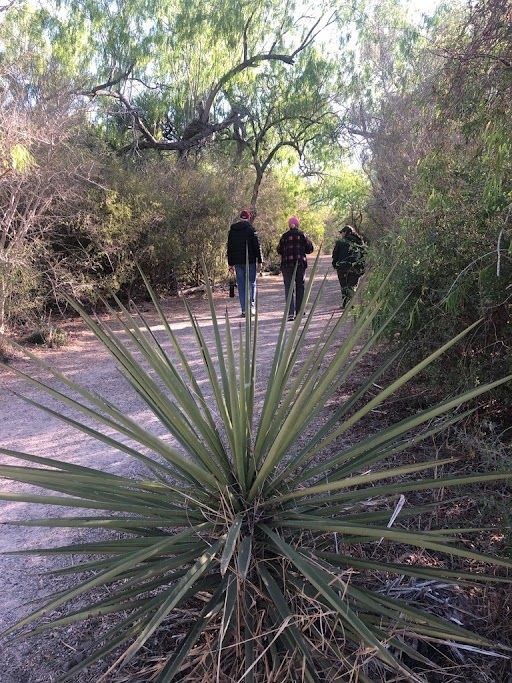
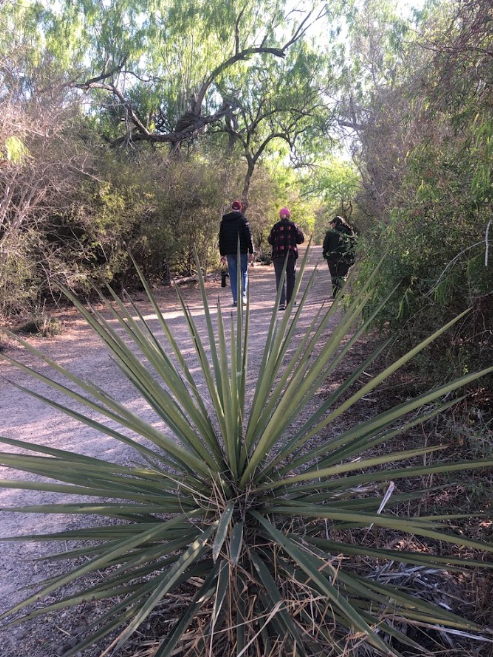
The U.S. Fish and Wildlife Service, Tours “Confirms the Mesquite Trail runs a short 0.4 miles and suits birders looking for resident specialties like green jays, chachalacas, and great kiskadees close to the trailhead.”
Longer interior trails suit birders chasing migratory species during peak passage months. Match the trail to what you actually want to see, not just the shortest loop.
Step 3: Pair Santa Ana with a Second Hotspot the Same Day
Most planning guides for the Rio Grande Valley stop at Santa Ana and leave it there, without walking you through how to build a realistic same-day route to a second refuge or wetland site.
Because Santa Ana sits centrally within the Lower Rio Grande Valley floodplain, a birder based nearby can realistically add a second hotspot, such as Edinburg Scenic Wetlands or Bentsen-Rio Grande Valley State Park, without sacrificing the early morning window at Santa Ana.
This only works if your lodging is close enough that you are not burning daylight on the drive.
Step 4: Plan Your Return for Breakfast and Rest Before Your Next Outing
Birders chasing multiple sites in one trip need a place to eat and recharge without waiting on a fixed breakfast hour. Building a short midday break into your plan keeps you sharp for a second outing later in the day or an evening return to Santa Ana as activity picks back up before dusk.
When This Becomes a Job for Local Expertise
A self-guided plan works well for a single refuge visit, but sequencing multiple hotspots and timing a trip around shifting migration windows is where independent planning breaks down. Local knowledge closes that gap faster than a guidebook can.
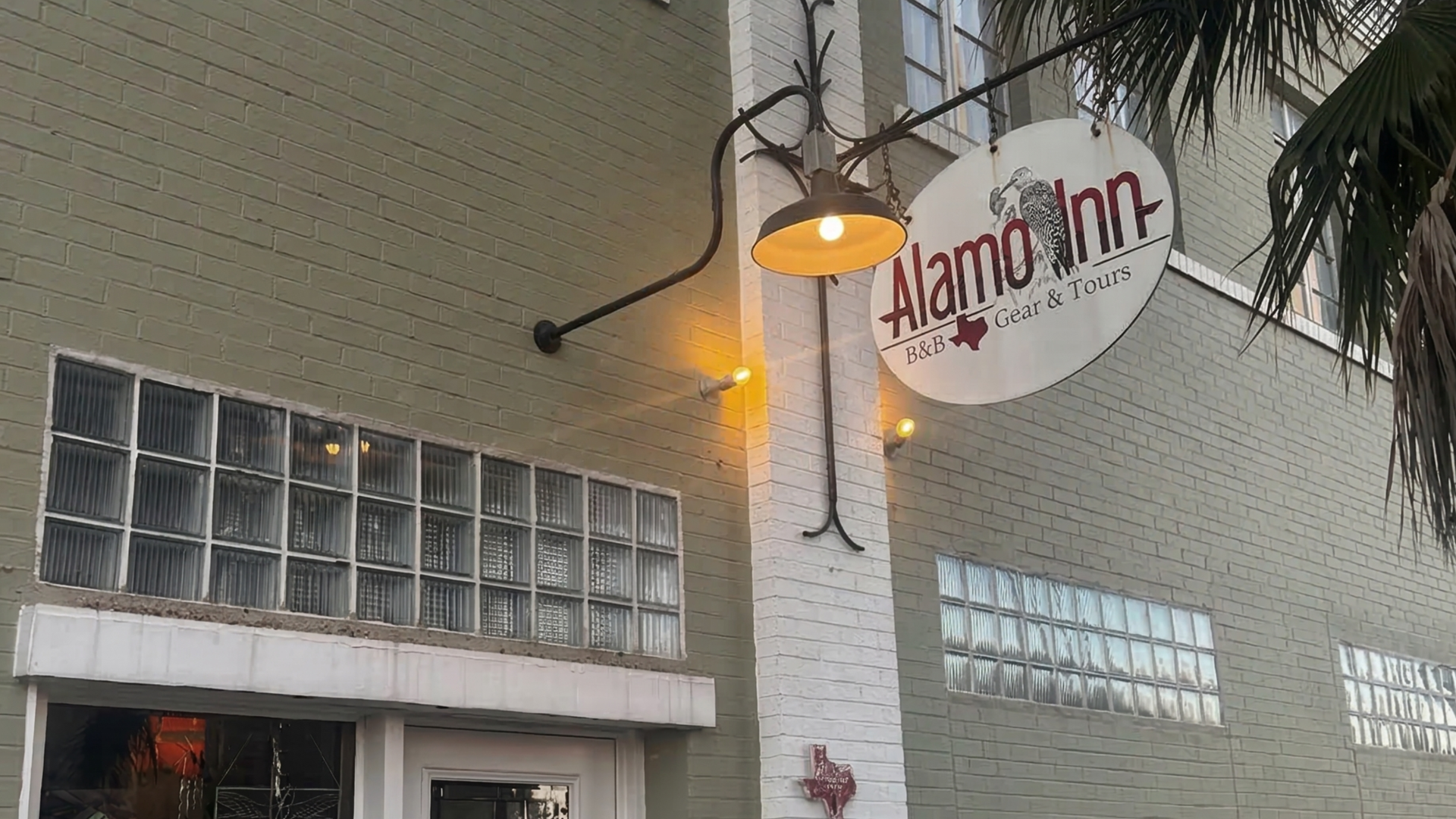
Alamo Inn B&B, Gear and Tours is built around exactly this need. The property sits twelve minutes from Santa Ana National Wildlife Refuge, with 13 or more additional birding hotspots reachable within 10 to 35 minutes.
Guests get 24/7 access to cold breakfast and lunch fixings included in the room rate, so an early departure for Santa Ana never means skipping a meal.
Paula Burch wrote that the property is "centrally located to be able to visit several different birding areas during your stay."
Ann Obrien pointed out that the breakfast room stays open around the clock for early departures.
Paul Brick put it simply: "If you want to stay with birders and get all the inside info, be sure to visit Keith Hackland at The Alamo Inn!"
Owners Keith Hackland and Audrey Jones have run the property since 1999.
Frequently Asked Questions (FAQs)
Q1. What time should I arrive at Santa Ana NWR for the best birding?
Arrive within the first hour after sunrise for the strongest bird activity, when songbirds are most active near the trailheads before the midday heat sets in.
Q2. Is Santa Ana NWR free to visit?
The U.S. Fish and Wildlife Service confirms the refuge charges a standard entry fee on most days, with free admission on the first Sunday of each month.
Q3. How many bird species can I see at Santa Ana NWR?
The U.S. Fish and Wildlife Service, Species confirms nearly 500 documented bird species, with peak diversity typically falling between October and December, including a single October day that has produced 65 documented species in one visit.
Q4. Where should I stay to birdwatch Santa Ana NWR and nearby hotspots?
Look for lodging built for birders, with early food access and close proximity to multiple hotspots. Alamo Inn B&B, Gear and Tours sits 12 minutes from Santa Ana NWR and within 10 to 35 minutes of 13 or more additional sites, with 24/7 breakfast included.
Q5. Do I need a guide to visit Santa Ana NWR?
No, Santa Ana NWR trails are open for self-guided visits and are well-marked. Local expertise still helps if you are timing a multi-site trip or tracking specific species activity.
Plan Your Santa Ana NWR Trip From a Base That Gets It
A well-planned visit to Santa Ana National Wildlife Refuge starts with the right timing and ends with a comfortable place to recharge. Staying close to the refuge gives you the flexibility to arrive before sunrise, maximize peak bird activity, and easily explore other top birding hotspots.
Whether you prefer a self-guided itinerary or want to join professionally guided Rio Grande Valley birding tours, choosing accommodations designed for birders can make your trip more productive and enjoyable.
Book your stay at
Alamo Inn B&B, Gear & Tours, and let a birder-run property handle the logistics while you focus on unforgettable sightings and making the most of every day in the field.